Industry
HydroFLOW protects your cooling towers from limescale and biofilm, raises cycles of concentration and dramatically cuts blow-down volumes — fewer chemicals, no system shutdown.
Cooling towers are the heaviest water consumers in commercial buildings and industrial plants. Managing them the traditional way creates an economic burden from four directions.
Water and sewage tariffs for businesses, offices and industry stand at roughly NIS 11.9–13.2 per cubic metre before VAT, depending on consumption volume. A medium-sized cooling tower consumes tens of thousands of cubic metres a year of make-up water.
Ongoing use of biocides, scale inhibitors and acids involves costs for materials, storage, dosing and control — alongside safety and environmental considerations.
The heat and recirculation conditions in cooling systems can encourage biofilm formation and microbial growth, harming system efficiency and raising sanitary risks, including Legionella.
With traditional chemical treatment, the blow-down water contains residues of biocides, acids and inhibitors. Exceeding the water corporation’s threshold values in its tests can significantly raise the wastewater tariff.
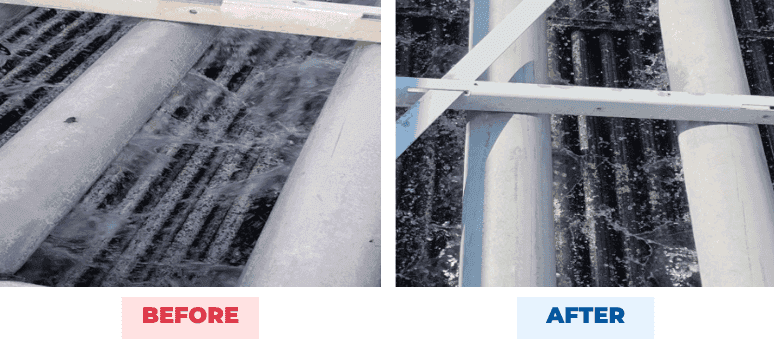
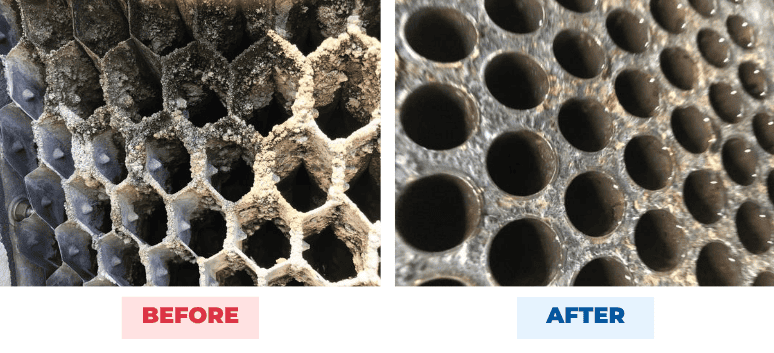
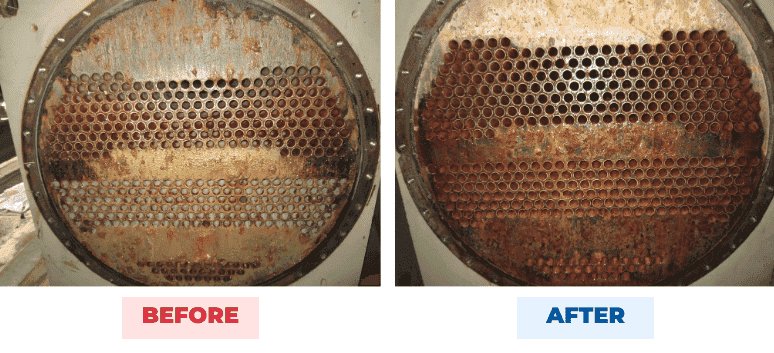
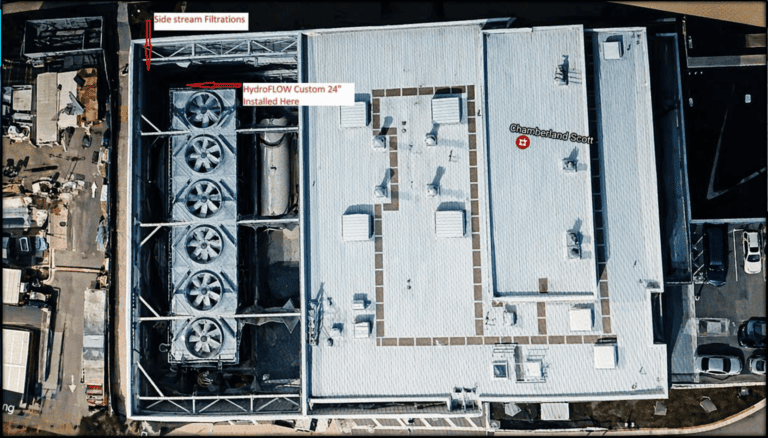
The system is installed externally on the water pipework, with no cutting and no shutdown. A unique electrical signal at ~150 kHz reduces limescale adhesion to pipe walls and heat-exchanger surfaces, and disrupts bacterial biofilm from establishing — allowing you to raise cycles of concentration and cut blow-down.
Based on a documented case study: an 85% reduction in blow-down at a Fortune 100 company headquarters, Houston, USA.
Read the case study ←
Case study
Based on a documented case study: a 16% efficiency gain in a chiller system at a bank building, Hong Kong.
Read the case study ←
Case study
Based on a documented case study: a 75% reduction in biocide use and about 65% in blow-down, hospital in California, USA.
Read the case study ←
Case study
Based on a documented case study: the bacteria count in the tower water fell from about 100,000 to under 1,000 CFU within days, at an office complex in the USA.
Read the case study ←
Case study
Enter your cooling tower’s data to get an initial estimate of water savings potential (and optionally chemical savings) with HydroFLOW.
The more successfully limescale is controlled, the more cycles the water can complete in the cooling tower before it needs to be drained (blow-down) — meaning less fresh water is needed and less water is discharged to sewage.
For example: at a factory in Texas, after installing HydroFLOW, the tower water conductivity was raised from 1,300 to 4,500 µS/cm (3.5×) with reduced scale formation. In other words, the water stays in the system for more cycles, and the amount of blow-down falls accordingly.
Limescale and biofilm are usually mentioned together, but their impact on heat efficiency differs by a significant order of magnitude.
The thermal conductivity of limescale is about 2.6 W/m·K, and every layer of it insulates the heat exchanger.
The thermal conductivity of biofilm is about 0.6 W/m·K — about 4 times lower than that of limescale. So a thin layer of biofilm insulates the heat exchanger more than limescale of the same thickness.
Source: Buckman Laboratories
Rather than a single figure, a more precise picture distinguishes between the two common types of chemical treatment in cooling towers.
When limescale is effectively controlled with HydroFLOW, the use of chemical scale inhibitors can usually be cut significantly — and in some cases discontinued altogether.
Most cooling towers still benefit from some level of biocide dosing alongside the physical treatment — not a full replacement, but a significant reduction in the amount required.
Cooling towers are considered one of the leading types of equipment at risk of Legionella outbreaks — warm water, slow flow in certain areas, and limescale and biofilm that create a habitat protected from disinfectants. Reducing limescale and biofilm with HydroFLOW helps lower that risk, as part of an overall Legionella management programme — not as a replacement for required sanitation protocols.
The HydroFLOW system is installed externally onto the cooling-water pipework, with no cutting or cooling-tower shutdown.
A unique electrical signal is induced into the water continuously and spreads along the pipework in both directions from the unit, treating limescale and biofilm.
Existing limescale gradually breaks down, new limescale build-up is significantly reduced, cycles of concentration rise and blow-down is cut significantly.
Efficient management of cooling water, maintaining heat transfer and supporting the operational continuity of critical infrastructure.
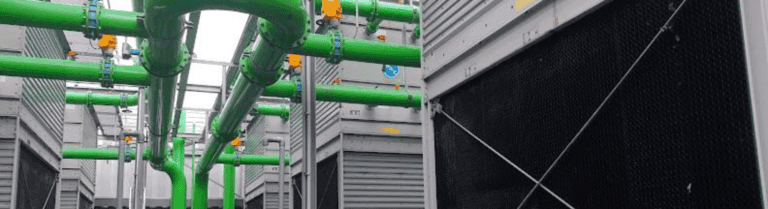
Case study: a data centre in Amsterdam — 12 HydroFLOW units on 6 cooling towers: control of limescale and spray-nozzle clogging, with no chemical dosing.
Read the case study ←
Maintaining cooling efficiency with no disruption to the building’s day-to-day operations.
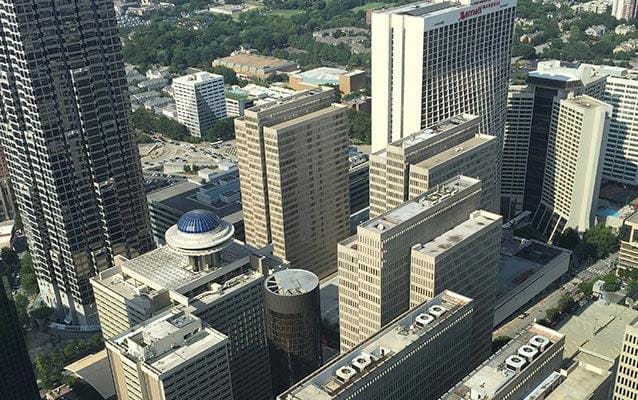
Case study: a mall group in Hong Kong — after a successful pilot in one mall, over 100 units were installed across 50+ malls, and condenser cleaning moved from annual cleaning to cleaning as needed.
Read the case study ←
Protecting heavily loaded cooling systems, alongside significant savings in water and sewage costs.
Case study: a factory in Texas — tower water conductivity was raised from 1,300 to 4,500 µS/cm, and chemical use fell by 75%.
Read the case study ←
Contributing to reducing Legionella risk alongside operational savings, with no need to shut down cooling systems.
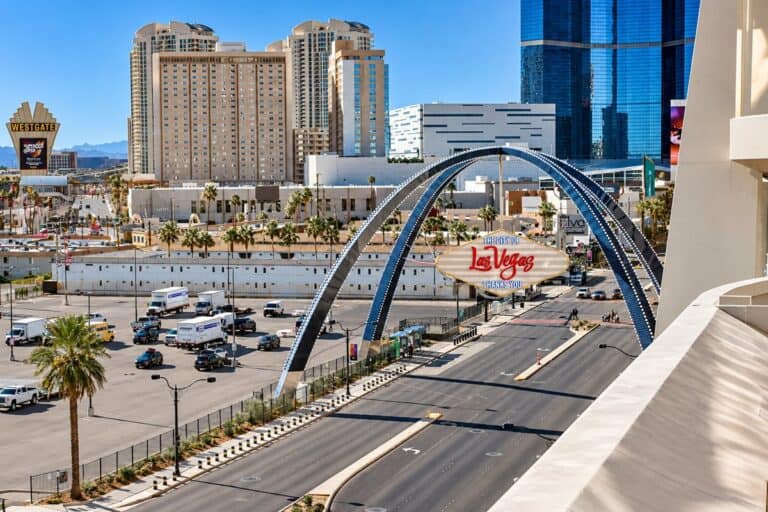
Case study: a resort in Las Vegas — estimated savings of about 30,000 m³ of water a year, and treatment with sulphuric acid was discontinued.
Read the case study ←
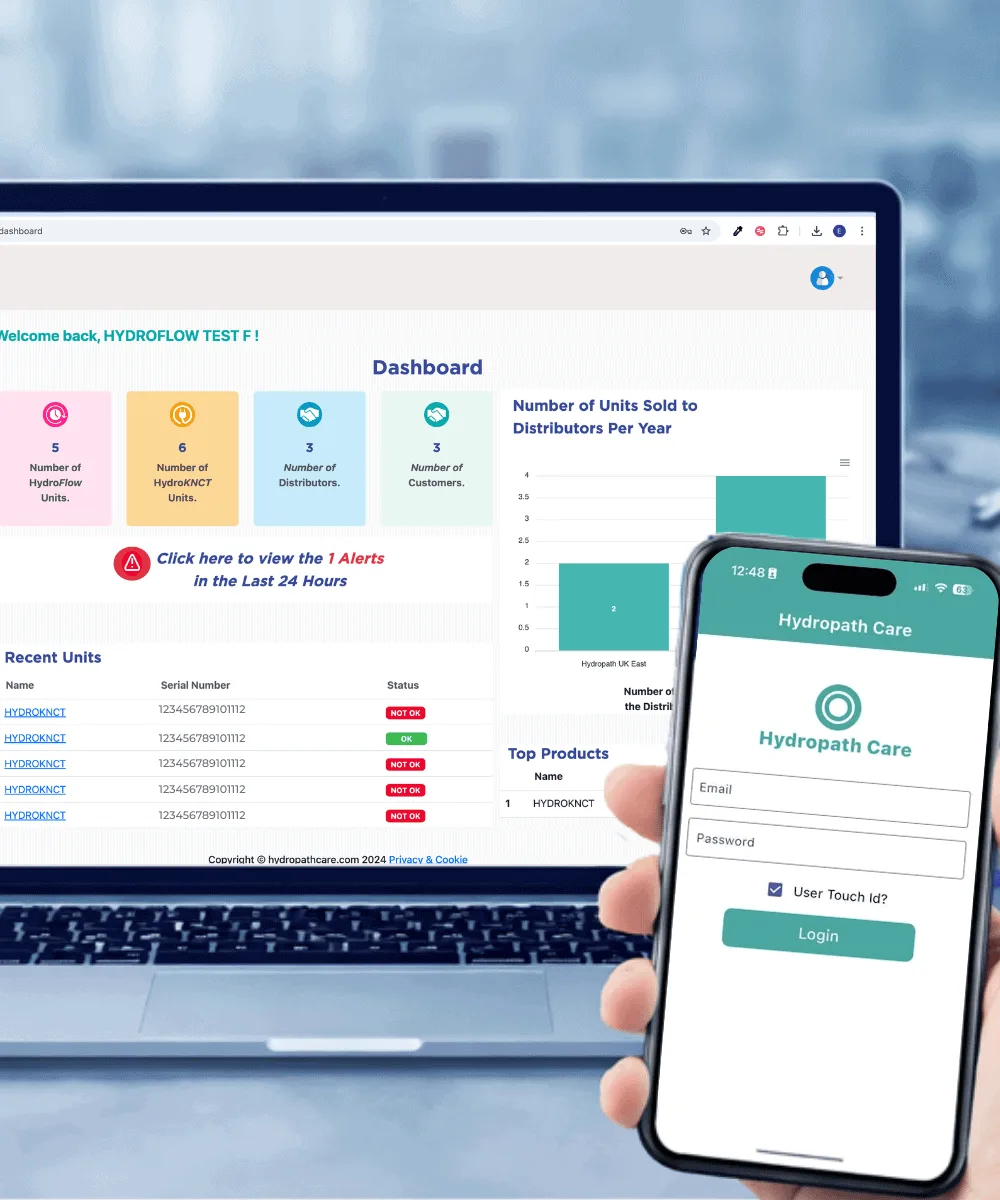
HydroKNCT and Hydropath Care are designed to work together as a single connected monitoring solution for every HydroFLOW installation across your network.
Real-time signal performance data from every unit
24/7 temperature and power monitoring
Instant alerts when readings change
Central dashboard for all sites
Full logging and trend transparency
Tell us about your system and our team will estimate your expected annual savings — at no cost and with no obligation.